Why Pet-Friendly Hotels Are No Longer Just a “Nice to Have”
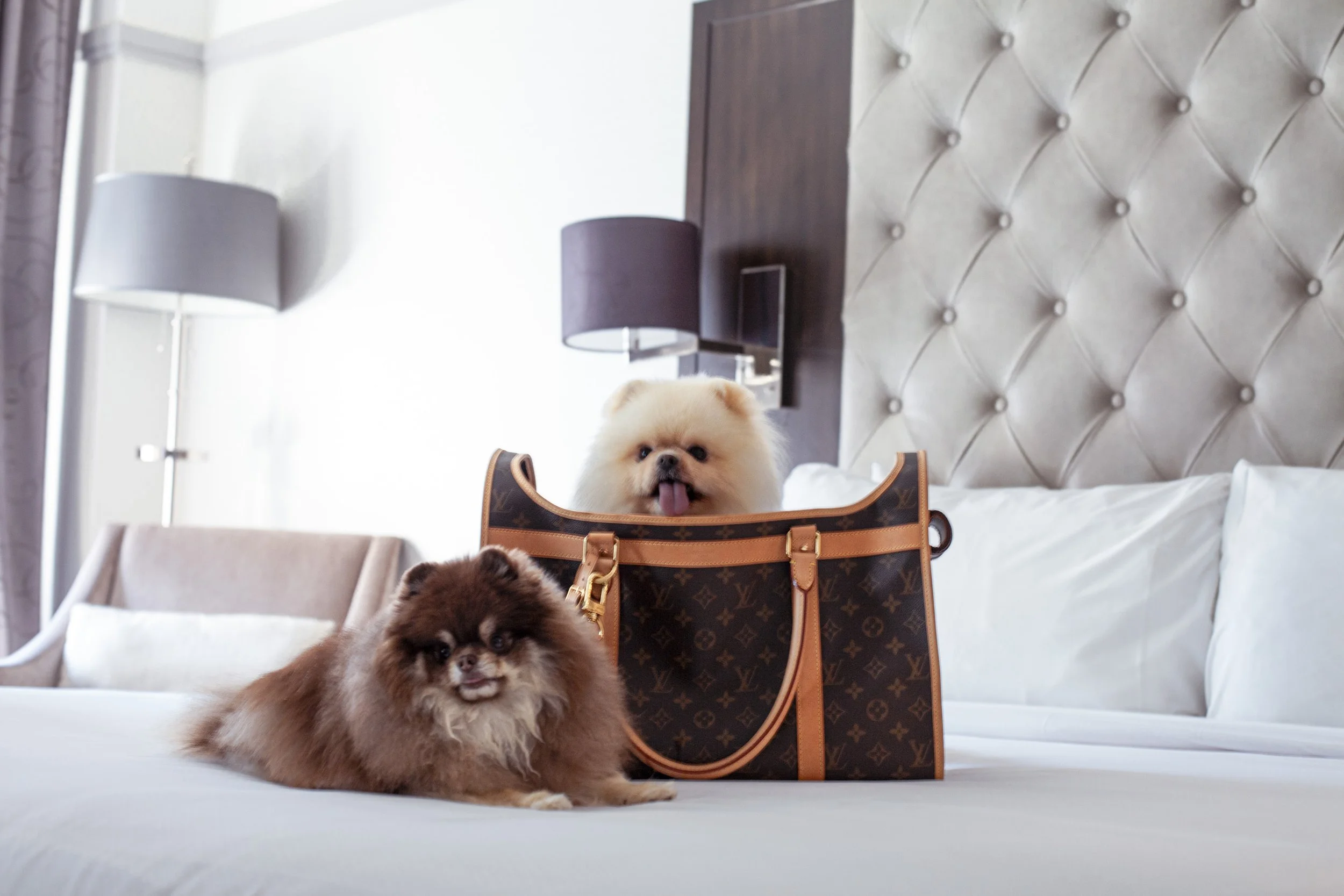
Photography by RevPar Media for West House NYC
With National Pet Day approaching on April 11, there’s a growing conversation happening across travel - and hotels have an opportunity to meet it in a more intentional way. Pet-friendly travel is no longer a niche offering or a brand add-on. It’s becoming part of how guests choose where to stay in the first place.
According to The Business Case for Dog-Friendly, a 2025 report by Roch Dog CEO Guise Bule, this shift is already well underway. The report highlights that 78% of pet owners travel with their pets each year, and more than half actively seek out accommodations that allow them to do so. Even more telling, over 50% of travelers say they would choose a hotel specifically because it is pet-friendly. That’s not a passive preference, it’s a deciding factor.
For hotels, the implication is simple: if your property isn’t clearly positioned as pet-friendly, you may not even make it into the consideration phase.
Visibility Drives Demand - Especially on Google
Being pet-friendly only creates value if it’s visible where guests are searching. Today, that starts with Google.
Search behavior around pet-friendly travel is highly intentional. Guests aren’t casually browsing, they’re searching for specific solutions like “dog-friendly hotels NYC” or “pet-friendly hotels near me.” These are decision-stage queries, and hotels that align with them show up at exactly the right moment.
Listings that include clear amenities like “pet-friendly” tend to perform better across Google and OTA platforms because they match filtered search behavior. When a traveler toggles that filter, the pool narrows, and if your hotel isn’t tagged correctly, it disappears entirely. On the other hand, when it is, you’re not just getting more visibility, you’re getting more qualified visibility, which leads to stronger click-through rates and higher likelihood of conversion.
This is where small operational details like properly categorizing your hotel on Google translate directly into revenue impact.
Show, Don’t Just Tell: The Role of Visual Content
There’s another layer to this that often gets overlooked: how pet-friendly experiences are communicated visually.
Guests don’t just want confirmation that pets are allowed, they want to understand what that experience actually feels like. That’s where content plays a critical role. Across hospitality marketing, lifestyle-driven imagery consistently outperforms static property shots, especially when it includes real moments: people, movement, and increasingly, pets.
A photo of a dog lounging in a sunlit room or walking through the lobby does more than communicate a policy. It signals comfort, ease, and belonging. It answers an unspoken question: “Will this stay work for both of us?”
Hotels that incorporate pets into their visual storytelling across their website, Google profile, and social channels create a more complete and compelling picture. And in a crowded digital landscape, that clarity makes a difference.
What the Best Pet-Friendly Hotels Are Doing Differently
The 2025 report from Roch Dog also points to a key distinction: the most effective hotels aren’t just allowing pets, they’re designing experiences around them.
This starts with clarity. Pet policies that are easy to find and easy to understand remove friction early in the booking process. From there, thoughtful touches - whether it’s in-room amenities, curated pet packages, or simply a more welcoming tone across messaging - help elevate the stay from “allowed” to “welcome.”
Equally important is consistency. The experience that’s promised on a website or social channel needs to align with what guests encounter on property. That alignment builds trust, and trust is what drives repeat behavior.
We’re seeing more properties move in this direction, including hotels like the Park Central Hotel New York, where pet-friendly offerings are integrated into a broader luxury experience rather than treated as an afterthought.

Photography by RevPar Media for West House NYC
The Missed Opportunity Most Hotels Overlook
What’s interesting is that many hotels are already pet-friendly, they just aren’t marketing it effectively.
In many cases, the information exists, but it’s buried. It might live on a FAQ page, appear inconsistently across platforms, or be completely absent from visual content. From a guest perspective, that creates uncertainty. And when uncertainty exists, travelers default to the option that feels clearer.
This is where hotels lose demand without realizing it. Not because they don’t offer the experience, but because they’re not communicating it in a way that’s easy to find or easy to trust.
At its core, being pet-friendly isn’t just about accommodating guests, it’s about being discoverable to them when it matters most. Moments like National Pet Day reflect broader shifts in traveler behavior, while also driving spikes in attention, search, and engagement around specific topics. For hotels, that creates a timely opportunity to show up in a way that aligns with what travelers are already looking for. The hotels that are already positioned to do so are the ones that benefit from that increased demand - while those that aren’t risk missing it entirely.
If your hotel offers pet-friendly accommodations but isn’t fully capitalizing on the visibility and demand that comes with it, there’s an opportunity to rethink how that story is being told. For hotels looking to better showcase their pet-friendly experience in a way that drives real engagement and bookings, we’re here to help, give us a call!